Exploring the Color Tools That Bring Books to Life
Category : |
Sub Category : Posted on 2023-10-30 21:24:53
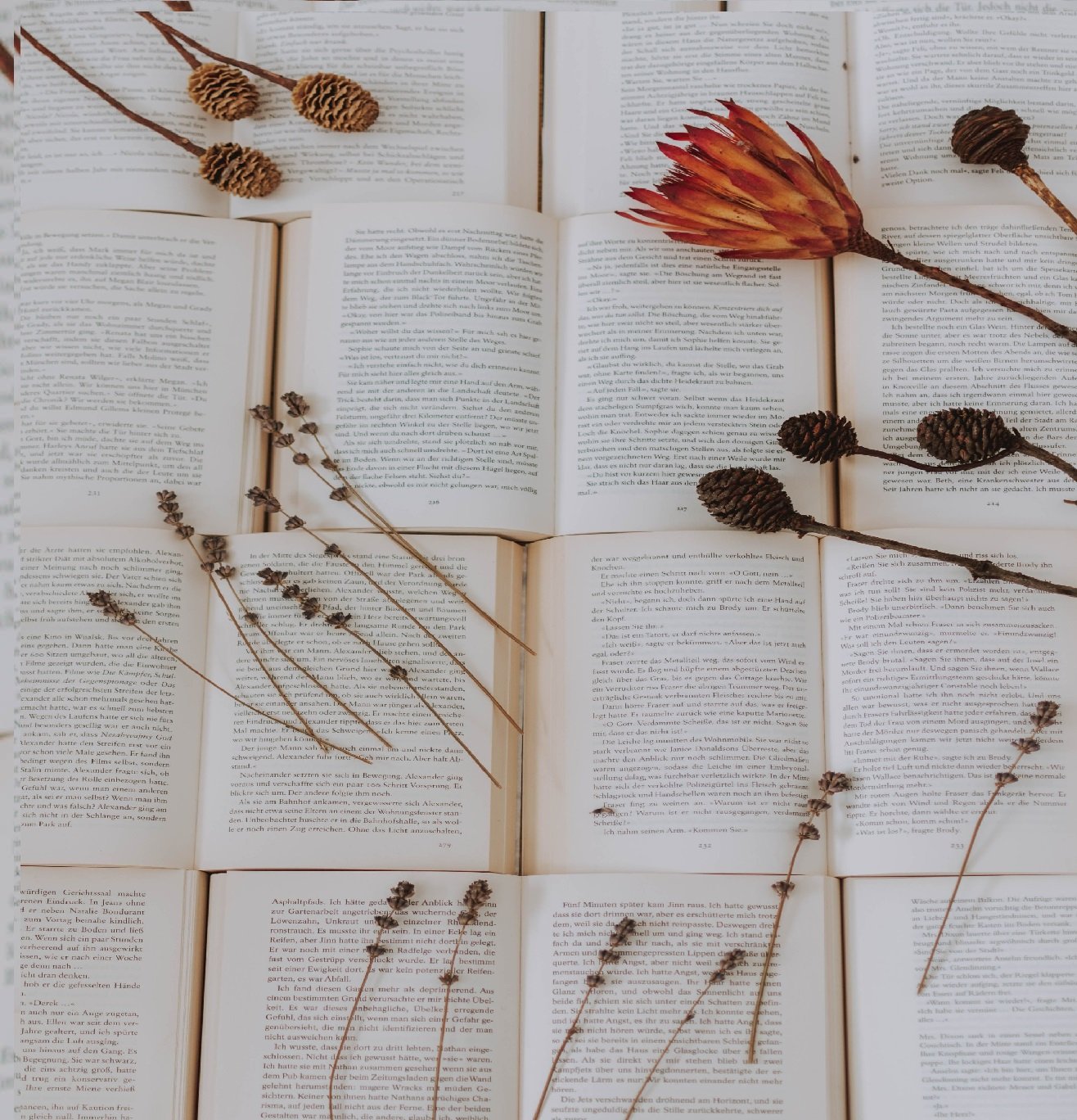
Introduction: Books have always been an essential source of knowledge, imagination, and inspiration. They transport us to different worlds, introduce us to captivating characters, and allow us to explore different perspectives. While the words written in a book are undoubtedly crucial, the visual aspects can also enhance our reading experience. In this blog post, we will delve into the color tools that bring books to life, from book covers to illustrations and typography choices. 1. Book Covers: The First Impression They say you should never judge a book by its cover, but let's face it a visually appealing book cover catches our attention and entices us to pick it up. Color plays a pivotal role in creating a captivating cover that speaks to the essence of the story within. Whether it's a vibrant and eye-catching design or a more subdued, elegant composition, careful color selection sets the tone for what's to come. 2. Color Psychology: Stirring Emotions Colors elicit emotions and evoke specific feelings within us. Authors and publishers are aware of this power and use it intentionally to enhance their storytelling. For example, warm colors like red, orange, and yellow can create a sense of warmth, passion, and energy. Alternatively, cool colors like blue and green might evoke calmness, serenity, or even mystery. The choice of color schemes can guide readers' emotional responses and deepen their engagement with the narrative. 3. Illustrations: Adding Depth to the Narrative Books that incorporate illustrations can bring the stories to life, particularly for younger readers or those who are young at heart. Colors profoundly impact the mood and atmosphere of the illustrations, breathing life into the characters and their surroundings. They enhance the visual storytelling, allowing readers to visualize the scene even more vividly. From picture books to graphic novels, color choices significantly contribute to the overall reading experience. 4. Typography: The Art of Words While we may primarily associate color with visuals, typography is another crucial element in book design that can be impacted by color. The choice of font color, whether it's contrasting or harmonizing with the background, can greatly influence readability and visual appeal. Bold and vibrant typographic treatments can make emphasis and convey a particular mood or personality, while muted colors can provide a more subtle and elegant touch. Conclusion: Books have the power to transport us to different realms, ignite our imagination, and touch our hearts. By harnessing the power of color in various book elements from the cover design to illustrations and typography authors and publishers create a more immersive reading experience. Like brushes in the hands of an artist, these color tools add depth, emotion, and visual appeal to the words on the page. Next time you reach for a book, take a moment to appreciate the careful use of color, enriching your reading journey before you even turn the first page. For more information about this: http://www.colorsshow.com


