Exploring the Connection Between Books and Non-GMO Foods
Category : |
Sub Category : Posted on 2023-10-30 21:24:53
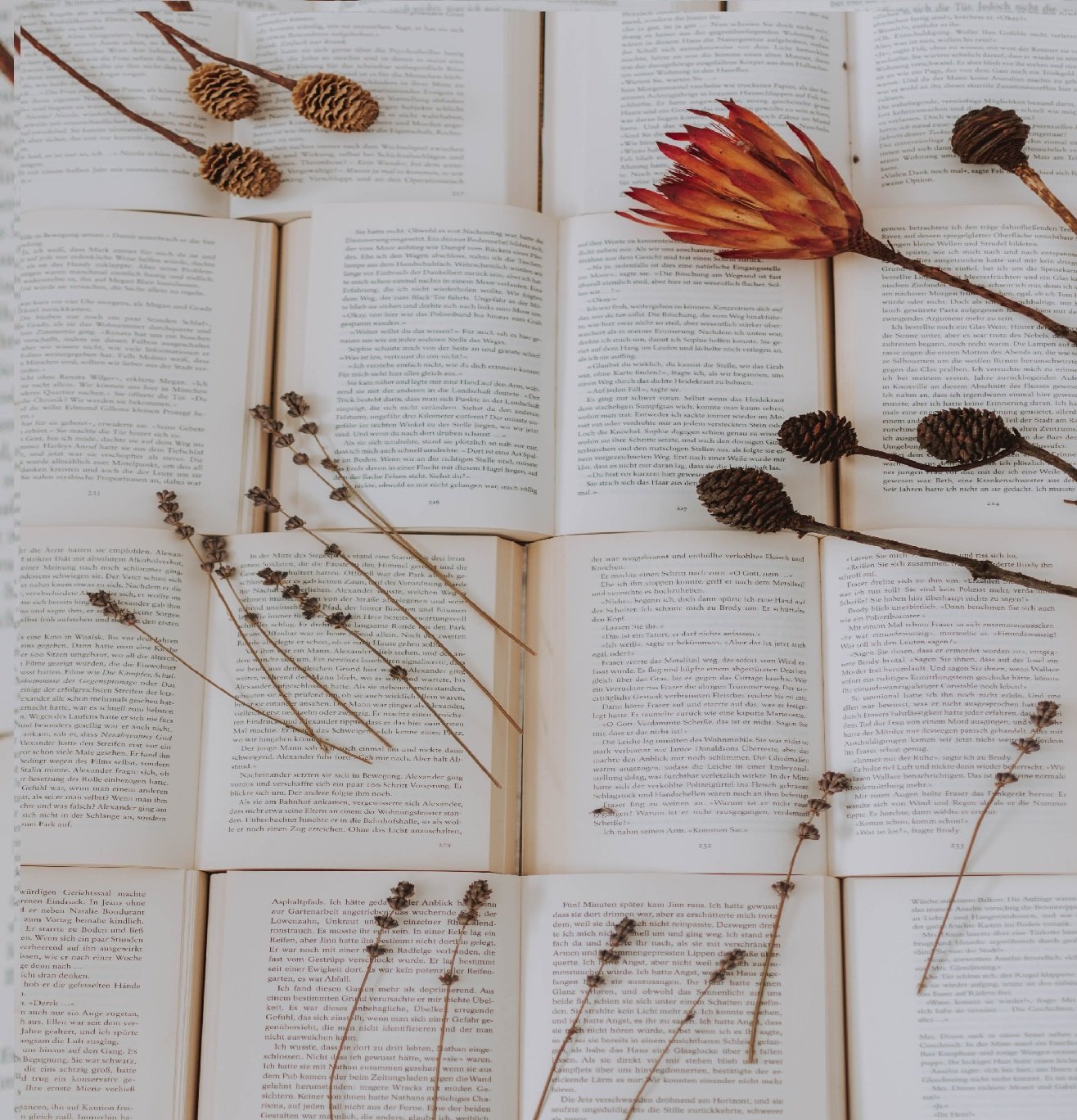
Introduction: Books and non-GMO foods might not seem like they have much in common at first glance. One is a source of knowledge and entertainment, while the other is a category of food that is free from genetically modified organisms (GMOs). However, a deeper look reveals that both books and non-GMO foods share a common bond: they are both sources of empowerment and wellness for individuals and the community. In this article, we will delve into the connection between books and non-GMO foods, exploring how they contribute to a healthy and mindful lifestyle. 1. Achieving Mindful Living: Books have long been recognized for their ability to transport readers to different worlds and engage them in powerful stories that resonate with their own lives. Similarly, non-GMO foods are a stepping stone towards mindful living by encouraging individuals to be aware of what they consume and become more conscious of the impact of their food choices on both personal well-being and the environment. 2. Educational Resources: Books are valuable educational resources that provide information, insights, and perspectives on a wide range of topics. Just like books, non-GMO foods play a vital role in increasing awareness and knowledge about the importance of avoiding GMOs. By choosing non-GMO foods, individuals gain access to healthier alternatives, learn about sustainable agricultural practices, and understand the potential risks associated with GMO consumption. 3. Community Engagement: Books have the power to create communities of like-minded individuals who share an interest in a particular genre, author, or topic. Similarly, the non-GMO movement has fostered a vibrant community of individuals who advocate for transparent and wholesome food production. Through book clubs or social gatherings centered around non-GMO foods, individuals can come together to discuss ideas, exchange recipes, and support local farmers and organic food producers. 4. Personal Empowerment: Books are known for empowering readers by expanding their knowledge, sparking creativity, and inspiring personal growth. Likewise, non-GMO foods empower individuals to make conscious choices about what they put into their bodies, promoting a healthier and more sustainable lifestyle. By choosing non-GMO foods, individuals take control of their well-being, supporting farmers and businesses that prioritize natural and environmentally friendly practices. 5. Ethical Consumption: Reading books often exposes readers to diverse perspectives and encourages critical thinking, ultimately leading to ethical pondering. Similarly, choosing non-GMO foods aligns with ethical consumption as it supports sustainable agriculture, promotes biodiversity, and protects the environment. By seeking out and supporting non-GMO food producers, individuals contribute to a more ethical and responsible food system. Conclusion: Both books and non-GMO foods play a crucial role in empowering individuals to live healthier, more mindful lives. While books expand our minds and hearts through knowledge and storytelling, non-GMO foods nourish our bodies while protecting our health and the environment. By embracing both, we can create a more conscious and sustainable world. So next time you curl up with a book, pair it with a snack made from delicious non-GMO ingredients a perfect combination for an enlightened day. to Get more information at http://www.deleci.com More in http://www.eatnaturals.com For a different angle, consider what the following has to say. http://www.biofitnesslab.com To understand this better, read http://www.mimidate.com


