Exploring the Sweet World of Dyeing Pigments in Books
Category : |
Sub Category : Posted on 2024-09-07 22:25:23
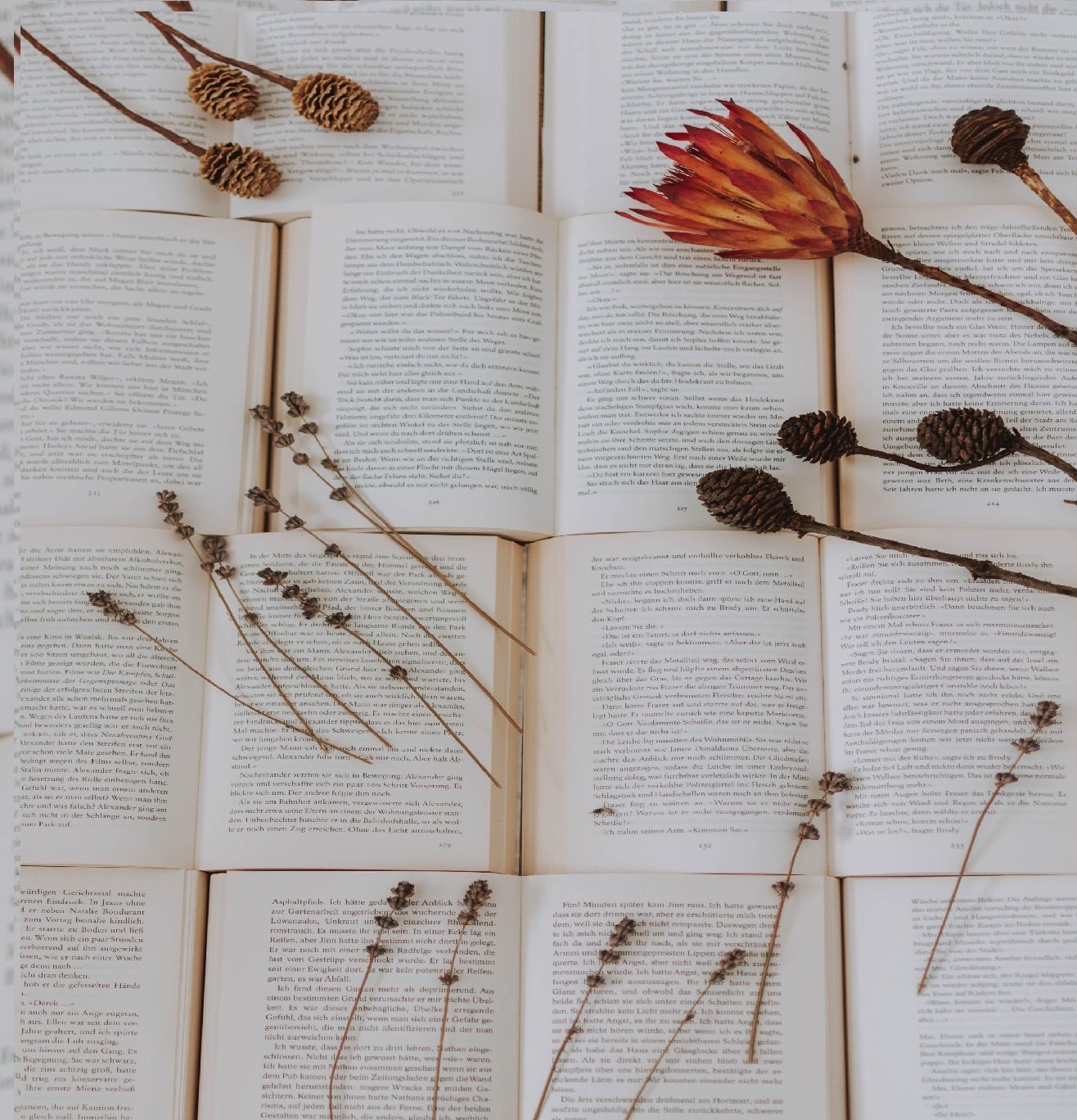
When we think of sweet indulgences, books and dyeing pigments may not be the first things that come to mind. However, the world of bookbinding and artistry has a delightful intersection where these two elements converge to create unique and visually stunning editions. Dyeing pigments play a crucial role in the aesthetics of books, especially when it comes to creating vibrant covers and intricate designs. These pigments are used to color various elements of a book, from the cover materials to the page edges, and even the endpapers. By carefully selecting and applying these pigments, bookbinders can enhance the overall look and feel of a book, making it a true work of art. One of the most exciting aspects of using dyeing pigments in bookbinding is the opportunity for creativity and experimentation. Different pigments can be mixed and layered to create custom colors and effects, allowing bookbinders to tailor their designs to match the content or theme of the book. Whether it's a rich, deep hue for a classic novel or a bright, playful shade for a children's book, dyeing pigments offer endless possibilities for customization. Furthermore, the process of dyeing book components requires skill and precision. Bookbinders must carefully apply the pigments to ensure an even and consistent finish, taking into account factors such as texture, absorption rate, and compatibility with other materials. This meticulous attention to detail results in books that not only look beautiful but also stand the test of time. In addition to enhancing the visual appeal of books, dyeing pigments can also evoke certain emotions or moods. For example, a book with warm, earthy tones may convey a sense of nostalgia or comfort, while a book featuring bold, primary colors might exude excitement and energy. By leveraging the psychology of color, bookbinders can create immersive reading experiences that resonate with readers on a deeper level. Overall, the use of dyeing pigments in books adds a touch of sweetness to the world of bookbinding. Through careful selection, skillful application, and a dash of creativity, bookbinders can transform ordinary books into extraordinary works of art that captivate the senses and inspire the imagination. So the next time you pick up a beautifully bound book, take a moment to appreciate the intricate dance of colors that bring it to life.


